

When a Turbo Fails: The Hidden Damage Most Drivers Don’t Think About
When people hear “your turbo is bad,” the first question is usually:
How much does a new turbo cost?
But something most drivers don’t realize is:
A failing turbocharger can damage more than just itself.
In many cases, the turbo isn’t even the most expensive part of the repair.
What Happens When a Turbocharger Fails?
A turbocharger spins at extremely high speeds. When internal components break — especially the compressor or turbine wheel — the damage doesn’t stay contained.
It can and will spread.
Metal Fragments Can Travel Through the System

When compressor blades shatter, metal fragments can travel:
-
Through intake piping
-
Into the intercooler
-
Into the exhaust system
In severe cases, debris can damage the intercooler, contaminate oil lines, and then enter and damage the DPF system.
We’ve seen real cases where a failed turbo caused secondary damage to the DPF — significantly increasing repair costs.
The turbo was not the only part that needed replacement.
Oil Contamination
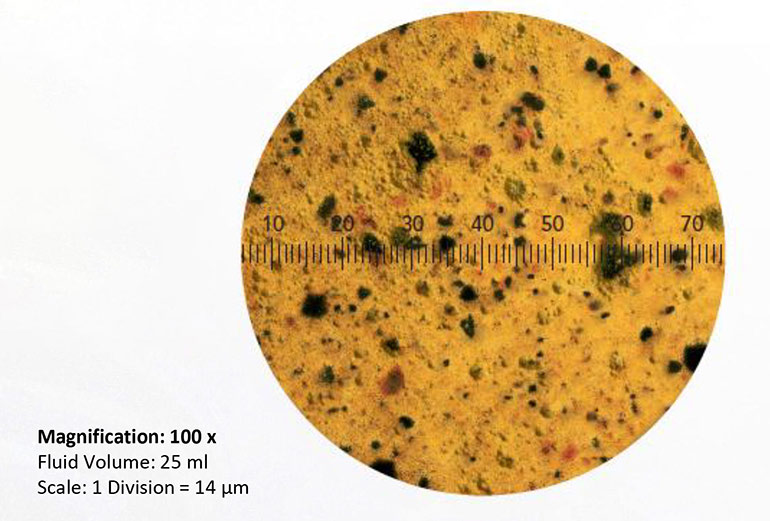
When internal bearings wear out:
-
Oil seals fail
-
Oil leaks into intake or exhaust
-
Lubrication quality drops
Contaminated oil can affect sensors and reduce overall engine reliability.
A turbo failure often starts internally before symptoms become obvious.
Intercooler System
Metal fragments may travel through the intake side and settle inside the intercooler.
If not properly cleaned or replaced:
-
Residual debris may re-enter the engine
-
A new turbo may fail prematurely
-
Engine damage risk increases
This is why proper system inspection during turbo replacement is critical.
DPF Damage

On diesel vehicles, turbo debris can enter the exhaust side and affect the Diesel Particulate Filter (DPF).
Replacing a DPF can cost significantly more than replacing the turbo itself.
What started as a turbo issue can turn into:
-
Turbo + DPF replacement
-
Turbo + intercooler replacement
-
Turbo + sensor replacement
-
Additional labor costs
Delaying repair increases the risk.
Some Final Thoughts
A failed turbocharger is rarely “just a turbo.”
It can trigger a chain reaction of damage throughout the intake and exhaust systems.
Addressing the issue early helps prevent secondary damage and unnecessary repair costs.
If you’re experiencing power loss, unusual noise, or smoke, proper inspection is the first step.
Replacing the correct turbo — and replacing it properly — makes all the difference.